How to Sell Scissor Hands in a Barbershop — Without Pressure, but With Effect
It’s about creating an atmosphere of trust where the product speaks for itself.
And Scissor Hands is exactly one of those that speaks through aroma, design, and result.
1. Merchandising — the foundation of everything.
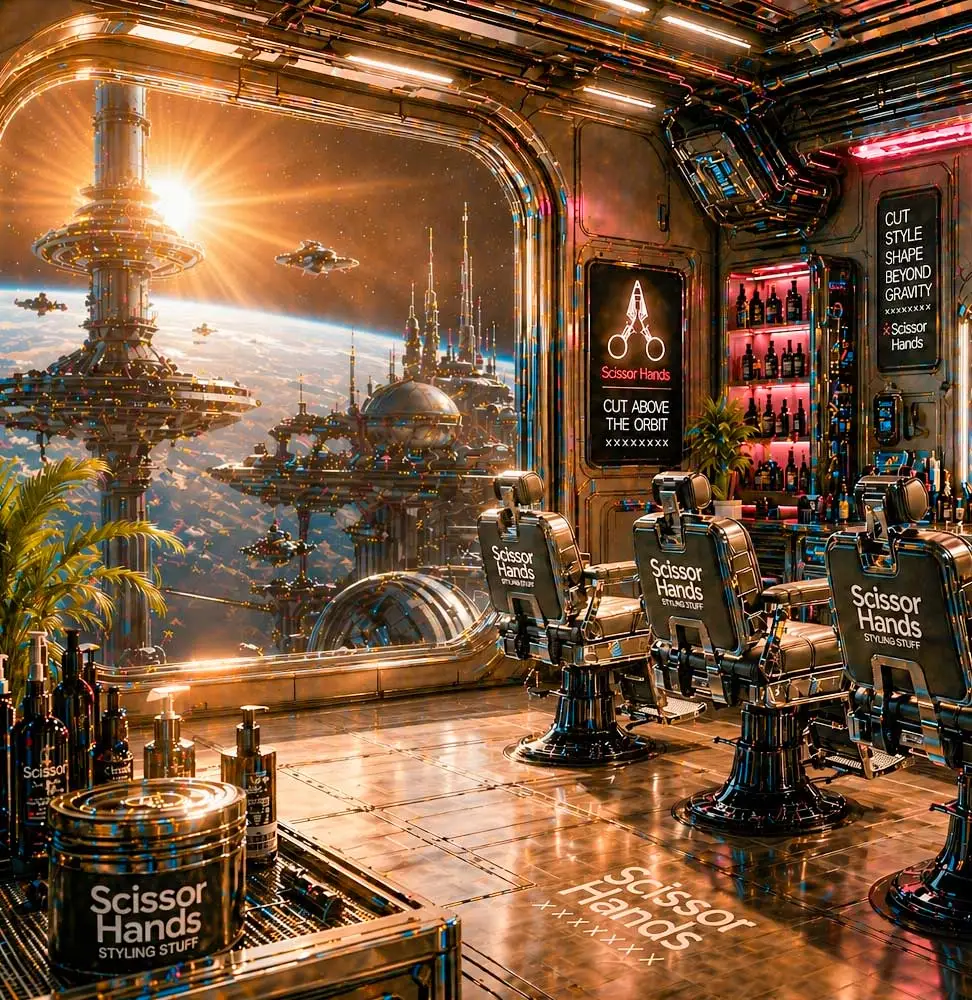
Remember Coca-Cola: the bottle is always where the eyes are — near the counter, in the fridge, under the light.
It’s the same with Scissor Hands:
- Oils, balms, and shampoos should be visible — near mirrors, on shelves by the cash register.
- It’s best to group products by categories (beard / styling / perfumes).
- If the client sees the product — they remember it. If they also smell the aroma — they start to want it.
Merchandising is silent advertising that works even when you say nothing.
2. Don’t sell — use.
People buy what their barber uses.
If the barber styles hair with Egoist, and moisturizes the beard with Signal — the client will ask himself:
“What is that?”
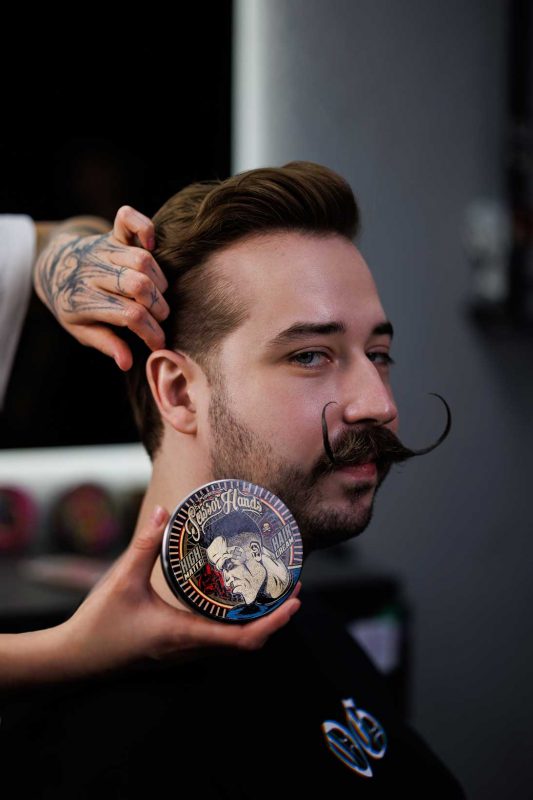
Your task is not to persuade but to show the product in action:
- applied oil ➝ comment on the aroma;
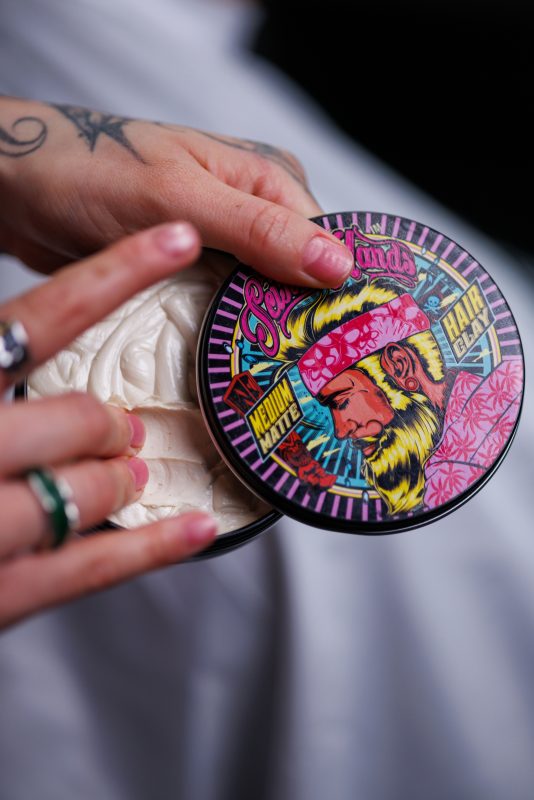
- did the styling ➝ briefly say what gives the matte effect combined with strong hold.
It’s psychology: don’t offer — demonstrate. People don’t like to buy, but they love to imitate.
3. Aroma decides.
Sometimes a client doesn’t know what he needs.
But you can’t escape from aroma.
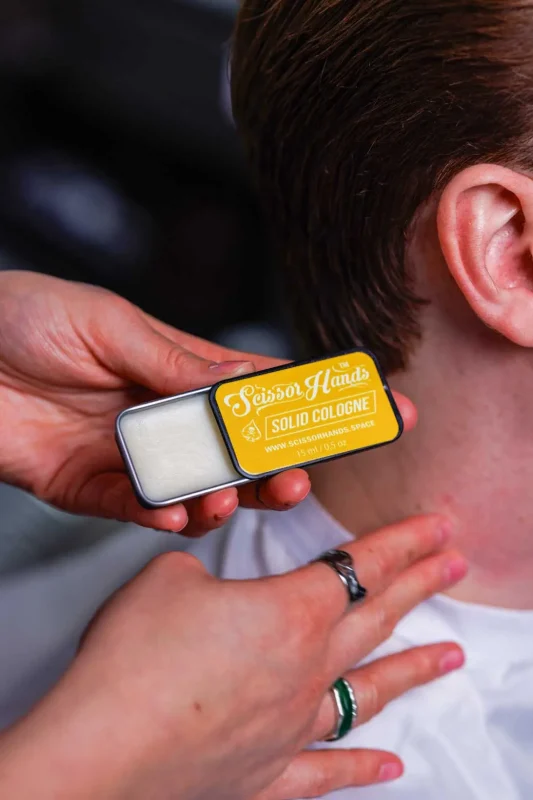
Oils, styling products, and body perfumes by Scissor Hands — it’s a personality that smells like:
- trailing notes
- depth
- character
A client can choose an oil simply because its aroma reflects his essence.
Always let him smell it, teach him how to apply it properly, make it a small ritual.
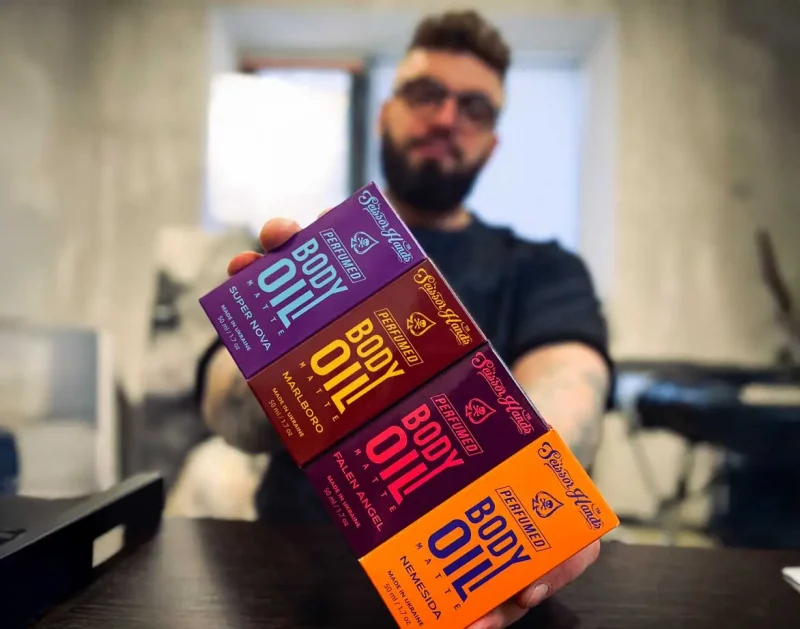
4. Design — the mirror of personality.
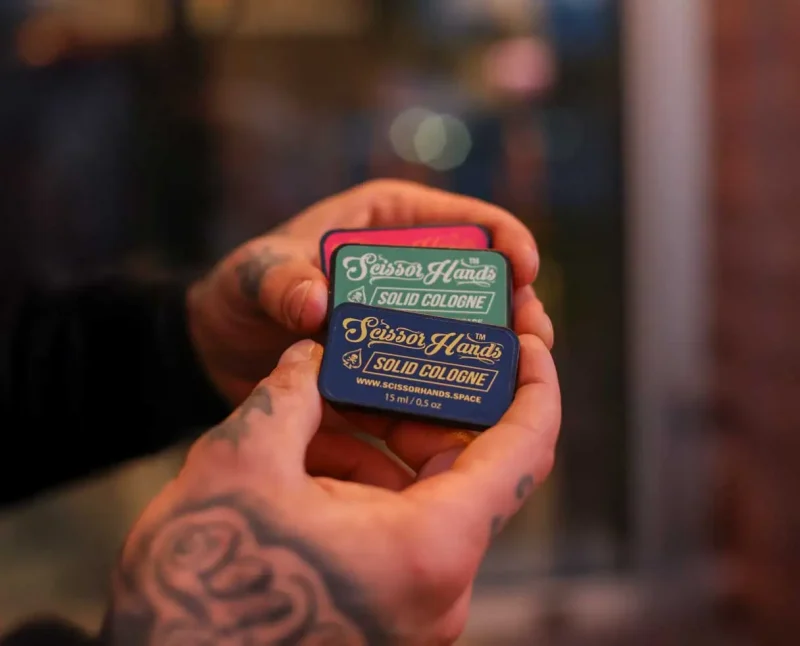
Packaging is not just a jar.
It’s a visual reflection of the client’s inner world.
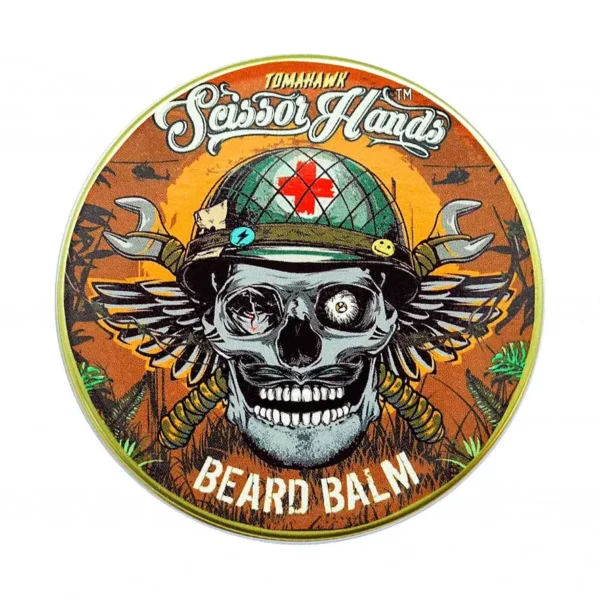
Tomahawk beard balm — for the resilient;
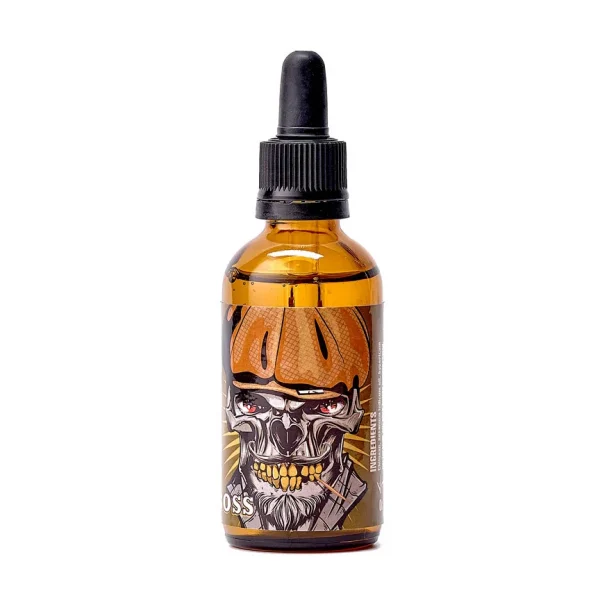
Boss beard oil — for the stable;
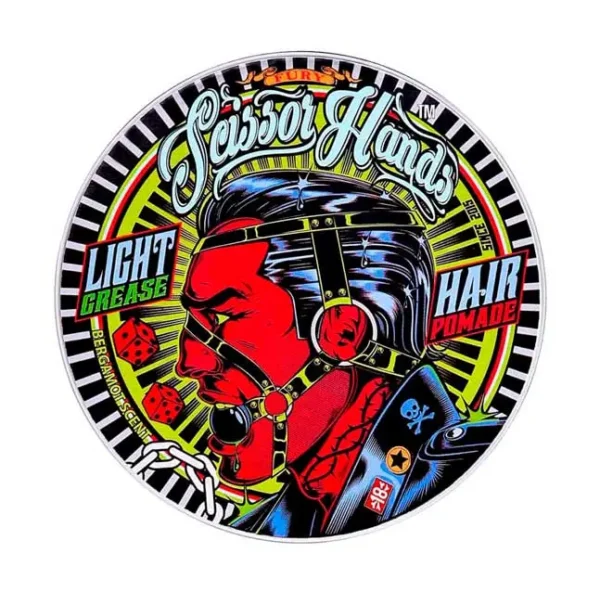
Fury hair pomade — for the bright.
The design of the product must resonate with personality.
And the better you understand which client is in front of you — the more precisely you can show, “this — is yours.”
5. Sell through the problem — the most honest method.
You noticed the client has:
- dryness of the skin under the beard
- dull hair
- not enough volume
Explain it. Show what exactly from Scissor Hands will help.
Not “buy it” — but “look how it will change.”
Without pressure — the person should make the decision to buy themselves, that’s the key.
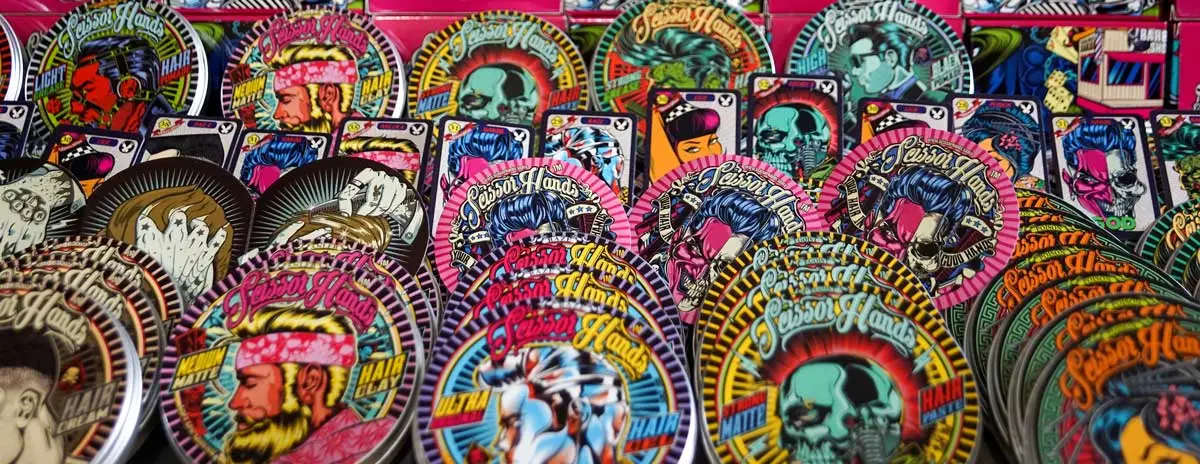
6. Assortment — the key to profit.
In a barbershop, there cannot be only one shampoo and one oil.
The wider the choice — the more options the client will try, the more chances for a repeat purchase.
- Oils with different aromas
- Pomades with different hold strengths
- Products before and after shaving
A barbershop with a full Scissor Hands line sells many times more than one with just one or two items.
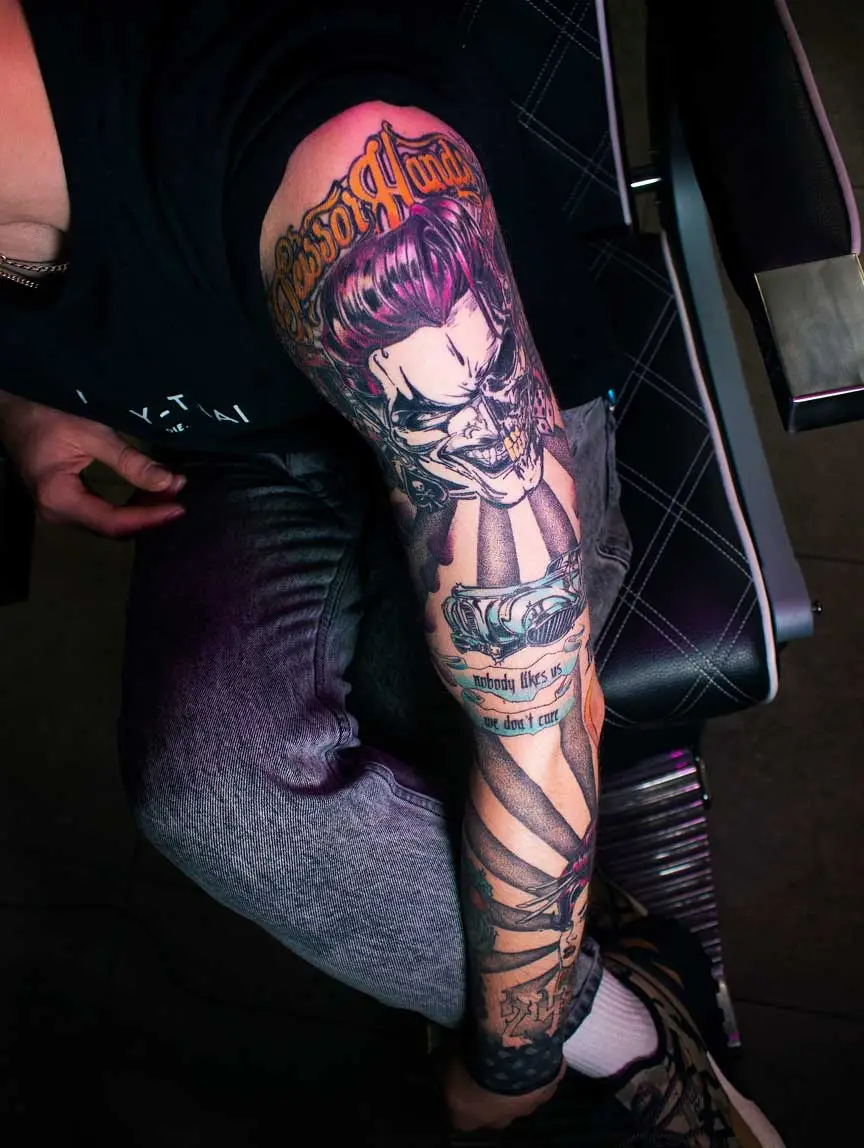
7. Ambassador and branding — not marketing, but an effect of trust.
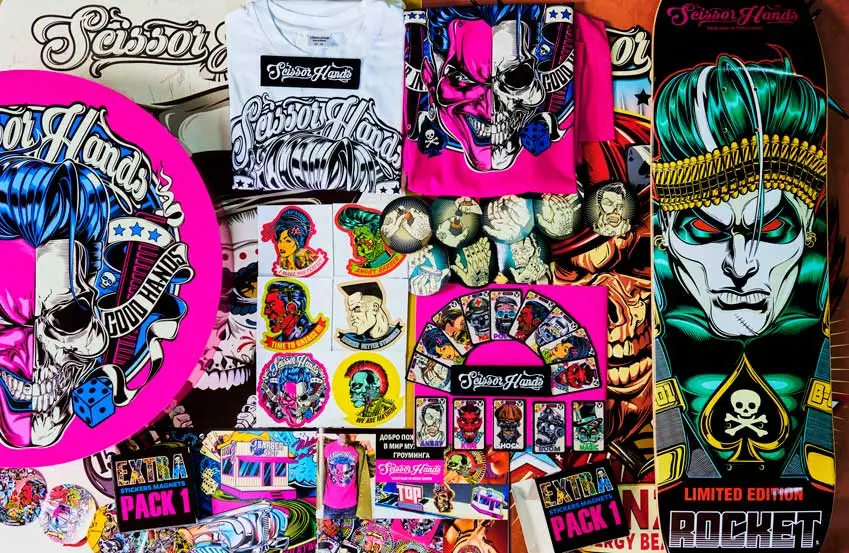
Experience shows: if the barber is branded (work apron, visuals, Insta-content) — it increases sales by 60% or more.
People buy from those they trust.
If they see that you are part of the brand — they want to be part of it too.
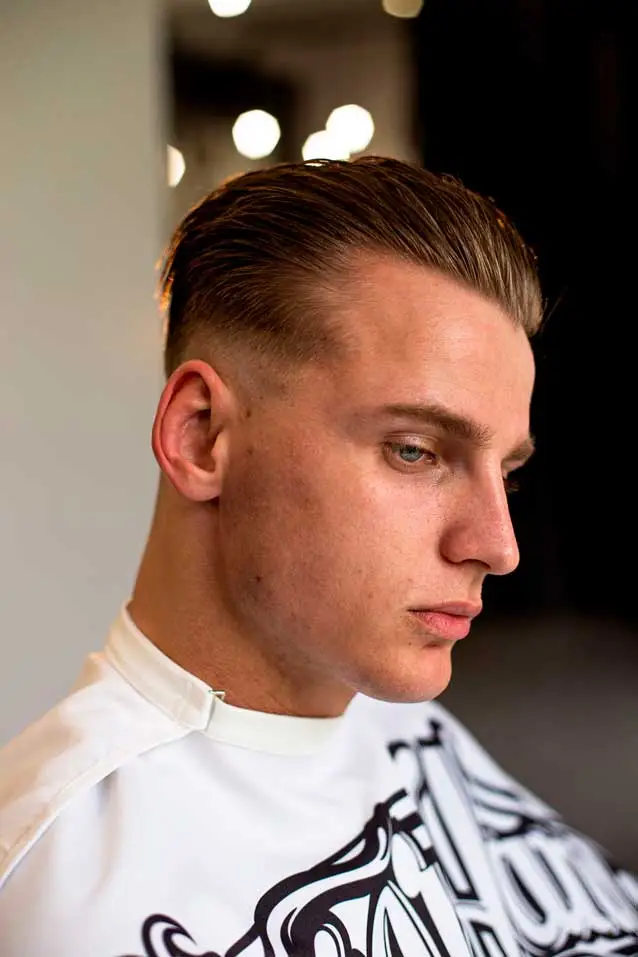
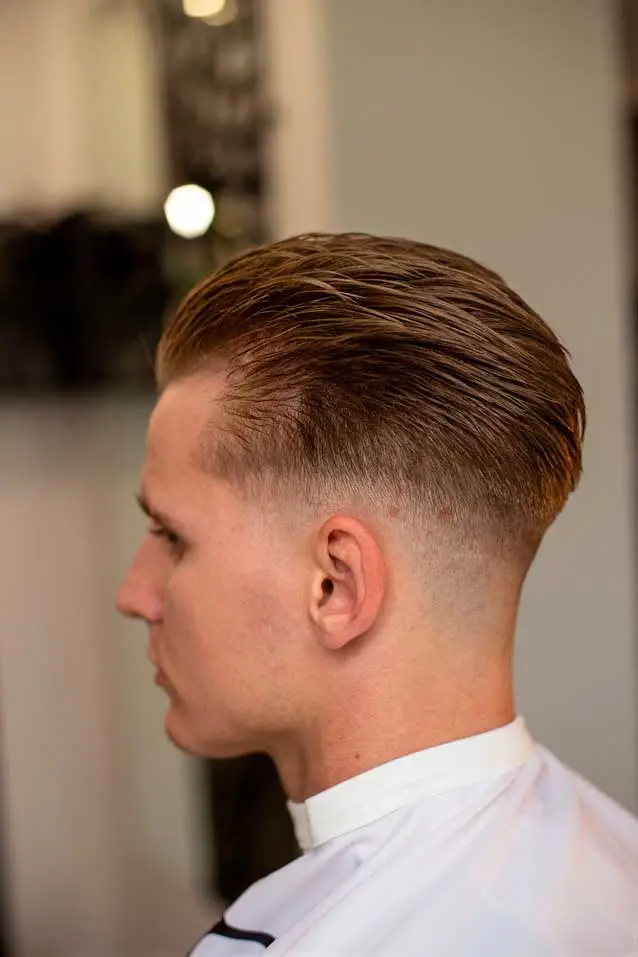
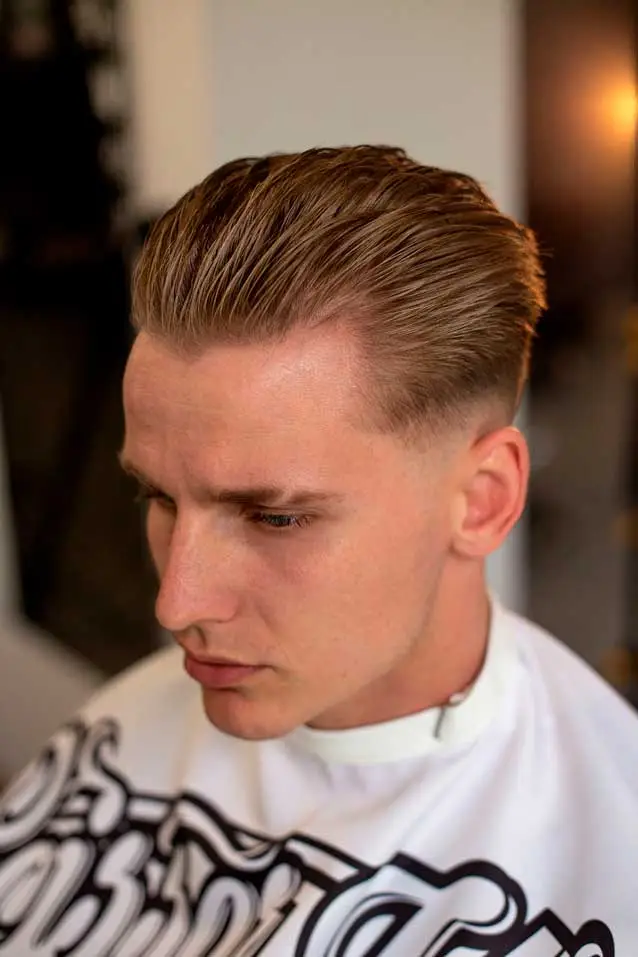
8. A quality haircut — the best advertisement of the product.
No presentation works as strongly as the result after your hands.
When the client sees shine, texture, shape — he remembers the effect.
It remains only to give him the tool to maintain it at home — to sell Scissor Hands.
9. Know your product.
Knowledge = confidence.
Tell them:
- what the styling consists of
- how Panzer differs from Signal
- how oil works on the skin, not just on the hair
If you don’t know — you’re just “selling something.”
If you know — you are a thought leader. And people buy from leaders.
Scissor Hands is not about jars. It’s about the feeling of confidence, strength, and character.
And you, as a master, are the guide of this experience.
Your job is not to “sell.”
Your job is to create a moment in which the client will want to keep a piece of this mood — in the form of a product.


ПРОДОЛЖИТЬ ЧТЕНИЕ
ПРОДОВЖИТИ ЧИТАННЯ
CONTINUE READING